
Damp is one of the most common and frustrating issues affecting homes across the UK. Left untreated, it can lead to mould, damaged plaster, peeling paintwork, and even structural problems.
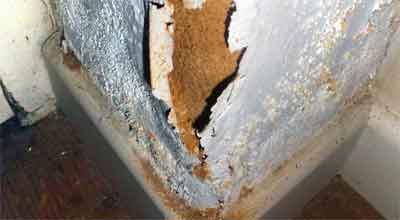 If you’ve spotted signs of rising damp in your home, taking action early is key. One of the most effective modern methods for treating rising damp is through damp proof course (DPC) injection using cream-based solutions.
At Grimsby Plastering Services, we specialise in professional damp proofing and remedial building works, offering clean, efficient, and long-lasting solutions tailored to each property.
What Is Rising Damp – And Why Does It Matter?
Rising damp occurs when groundwater travels up through the brickwork or masonry of a property by capillary action. It’s most common in older buildings where the original damp proof course has broken down or is missing altogether.
Typical signs include:
- Tide marks on interior walls
- Crumbling plaster
- Peeling paint or wallpaper
- A musty smell or visible mould near floor level
Ignoring it won’t make it go away; over time, rising damp can damage internal finishes and impact the value and comfort of your home.
Injectable DPC Cream: How It Works
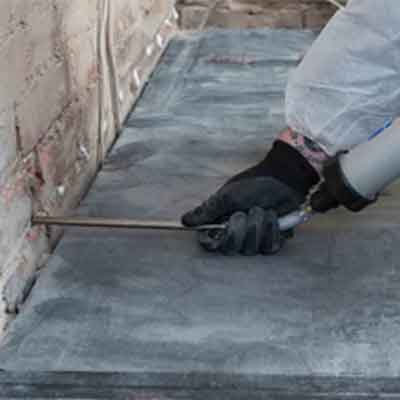
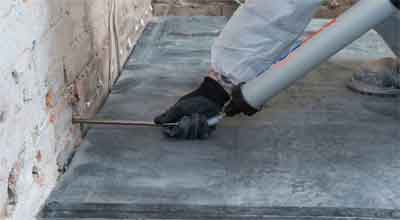 Modern injectable cream is a highly effective and minimally invasive solution for treating rising damp. Once injected into strategically drilled holes along the mortar course, the cream slowly diffuses into the surrounding brickwork, creating a water-repellent barrier that prevents further moisture from travelling upwards.
It’s a fast, clean method that doesn’t require major disruption or rebuilding work, making it ideal for domestic properties.
The Process – What to Expect
Here’s how we carry out DPC remedial works using injectable cream:
Assessment & Diagnosis – We carry out a full inspection to confirm the presence of rising damp and identify any related issues, such as salt contamination or external bridging.
Preparation – A horizontal line of holes is drilled into the affected walls, usually just above floor level.
Injection – The cream is injected into the holes, where it begins to penetrate and line the capillaries within the wall.
Replastering – Where necessary, we remove salt-contaminated plaster and re-plaster using a breathable, damp-resistant system.
Finishing – Once dry, walls can be painted or decorated as normal, leaving you with a clean, dry interior.
Why Choose Us?
- Experienced in both traditional and modern damp proofing methods
- Trusted by homeowners and professionals across North East Lincolnshire
- Clean, professional, and reliable service
- Fully qualified and insured
- Honest advice with no pushy sales
Book a Damp Survey Today
If you suspect rising damp in your property, don’t delay. Our damp specialists are on hand to provide honest advice and professional repairs that stand the test of time. We offer free, no-obligation quotes, and all our work is carried out to the highest standards.
Contact us today to arrange a home survey and take the first step toward a warm, dry and healthy home.
